A Special Event dedicated to Sudan
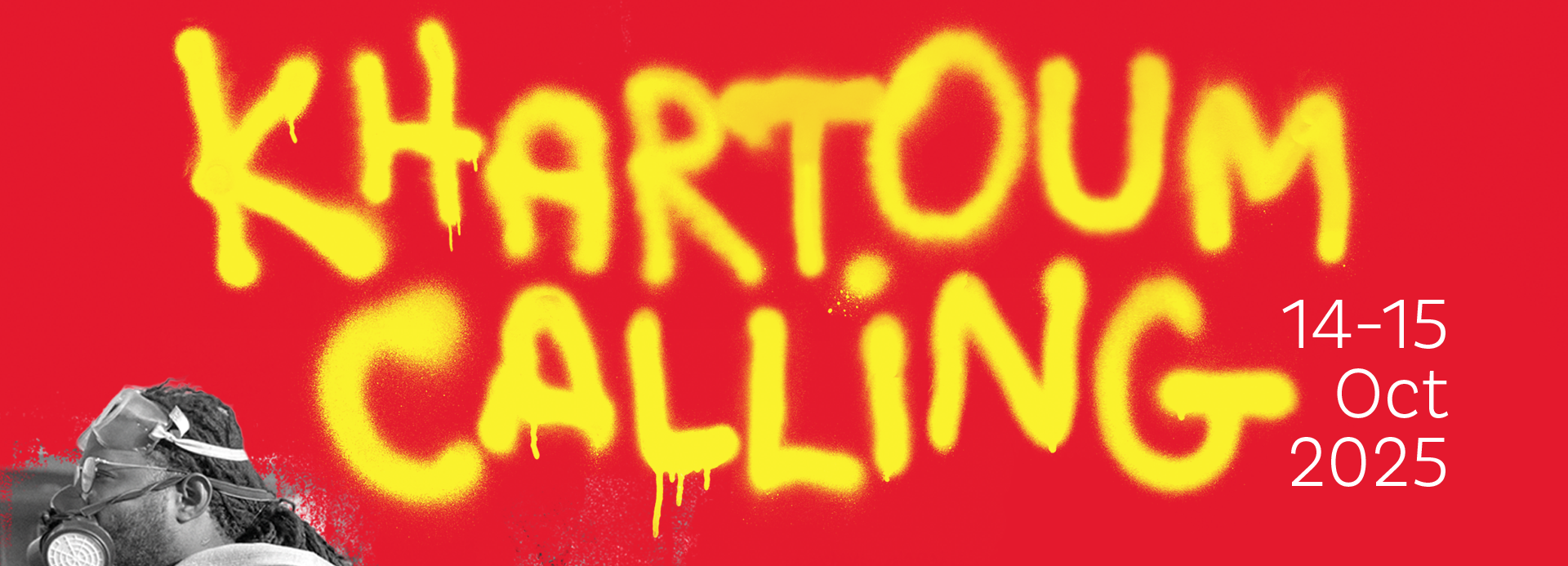
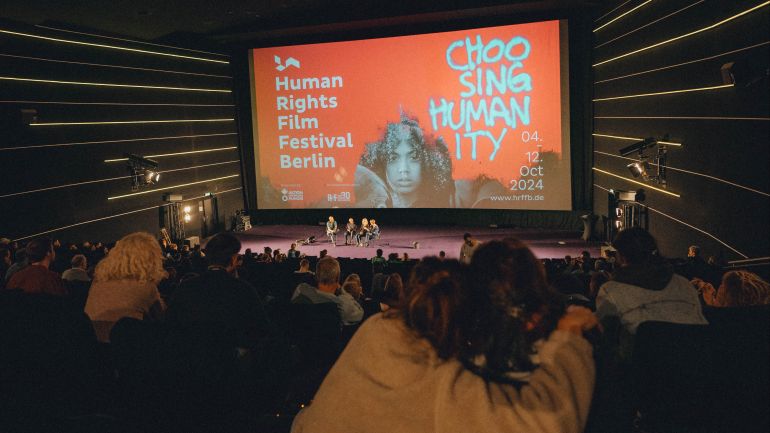
The war in Sudan is one of the greatest humanitarian catastrophes of our time – and yet it remains largely invisible. With Khartoum Calling – Voices for Sudan, the Human Rights Film Festival Berlin, in cooperation with Action Against Hunger, Reporters Without Borders, and journalist and media executive Niddal Salah-Eldin, is hosting a two-day special event to draw attention on the dramatic situation in Sudan.
Through the power of film, art, and music, the opening evening brings the audience into direct contact with experiences and perspectives of Sudanese voices – insights we will carry into the German Parliament the following day to explore concrete courses of action.
Combining creative power with political impact:
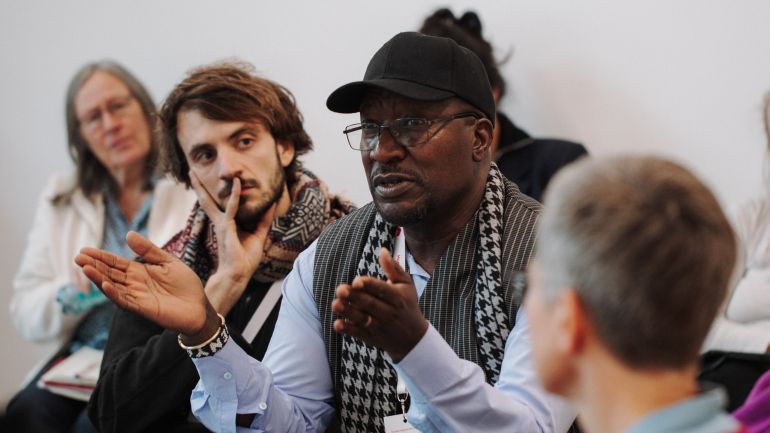

Reem Alabali-Radovan
Reem Alabali-Radovan has been serving as the Federal Minister for Economic Cooperation and Development since May 2025. Previously, she held the position of Minister of State for Migration, Refugees and Integration, and was also the Federal Government Commissioner for Anti-Racism. Since 2021, she has represented the electoral district of Schwerin – Ludwigslust-Parchim I – Nordwestmecklenburg I in the German Bundestag. The political scientist studied at the Freie Universität Berlin and previously worked in Mecklenburg-Vorpommern and at the Near and Middle East Association.

Yousra Elbagir
Yousra Elbagir is an award-winning Sudanese-British broadcast journalist and writer. She is currently Sky News' Africa correspondent covering major events and stories across the continent from natural disasters to civil unrest and conflict. Most notably, her reports from the frontline of Sudan's war have uncovered the scale of devastation in the world's biggest humanitarian crisis along with exclusive live coverage that captured the fall of Eastern Congo's regional capital Goma to M23. She has previously reported for Channel 4 News, the Financial Times and was an international correspondent Vice News on HBO.

Ibrahim Snoopy
Ibrahim Snoopy, director of Khartoum (2025) is a Sudanese filmmaker, storyteller, and cinematographer whose work explores identity, displacement, and resilience. As a third culture child, his perspective bridges cultures and amplifies unheard voices, especially from communities affected by conflict and migration. His visual style blends Sudanese heritage with contemporary narratives, often highlighting themes of social justice. Ibrahim has contributed to films like Serotonin (2018), Khartoum Offside (2019), Journey to Kenya (2020),From Argentina to Sudan (2022), The Salon (2023), Sudan Remember Us (2024). His latest film, Khartoum (2025), which spotlights the ongoing war in Sudan, was the first Sudanese film to premiere at Sundance and berlinale, winning the Berlinale Peace Award in 2025, affirming his impact as a powerful visual storyteller.

Samy Guessabi
Samy Guessabi is an experienced humanitarian professional specializing in access, negotiation, and project management in complex emergencies. He currently serves as Country Director for Action Against Hunger in Sudan. Previously, he worked with the IRC Global Surge Team in Egypt, Niger, and Chad, coordinating emergency operations and leading projects to strengthen protection and resilience. In Afghanistan, he facilitated the resumption of mobile clinics during the ban on women working for INGOs, and in Libya he launched operations amid the COVID-19 pandemic. He has also worked in Syria, Congo, Yemen, and Central Africa, consistently advocating for safe humanitarian access. Beyond his fieldwork, he has been an active member of international coordination bodies, including NGO forums, Humanitarian Country Teams, and Humanitarian Access Working Groups.

Anna Dushime
Anna Dushime was born in Kigali, went to school in England, completed her A-levels in North Rhine-Westphalia, and studied marketing in the Netherlands and Hungary. She works as a writer, presenter and Creative Director, including for the award-winning satire format Browser Ballett. From 2019 to 2022, she wrote a regular column for taz on dating, racism and everything in between. Her show “Der letzte Drink mit Anna Dushime” received the 2024 Grimme Award in the Entertainment category. She regularly hosts the discussion series “Streit und Zuversicht”, initiated by the Zeit Foundation and Holtzbrinck Berlin, as well as the Browser Ballett Heimatquiz on ZDF and the Doctors Without Borders podcast “Notaufnahme”. Her first book, 1000 Letzte Dates, will be published on 9 October 2025 by KiWi Verlag.

Jaafar Abdul Karim
Jaafar Abdul Karim is an international award-winning journalist and host of JaafarTalk on Deutsche Welle, with over 8 million followers on social media. Named “Reporter of the Year” in Germany, he is a strong voice for the younger generation and is known for his close connection to his community, with in-depth reporting from across the Middle East and Europe. In Europe, his journalism often focuses on refugees and migration. His work promoting cultural dialogue and diverse perspectives has been featured by CNN’s Christiane Amanpour and The New York Times. He holds multiple awards for journalism and human rights advocacy.

Andrea Böhm
Andrea Böhm was born in Munich. She studied in Berlin and the United States. After training at the Deutsche Journalistenschule, she worked as a local reporter and US correspondent for taz from 1989 to 1997. She then worked in New York as a freelance reporter, contributing to publications including GEO. In 1998 she joined the weekly newspaper Die Zeit as an editor and foreign correspondent. From 2013 to 2018 she headed its Middle East bureau in Beirut, reporting on the conflicts in Syria, Libya and Iraq. Since then she has focused primarily on countries in East and Central Africa. Andrea Böhm is the author of several non‑fiction books.
KHARTOUM
Anas Saeed, Rawia Alhag, Ibrahim Snoopy, Timeea M Ahmed, Phil Cox | Germany, UK, Qatar, Sudan | 2025 | 80 min | Arabic with English subtitles
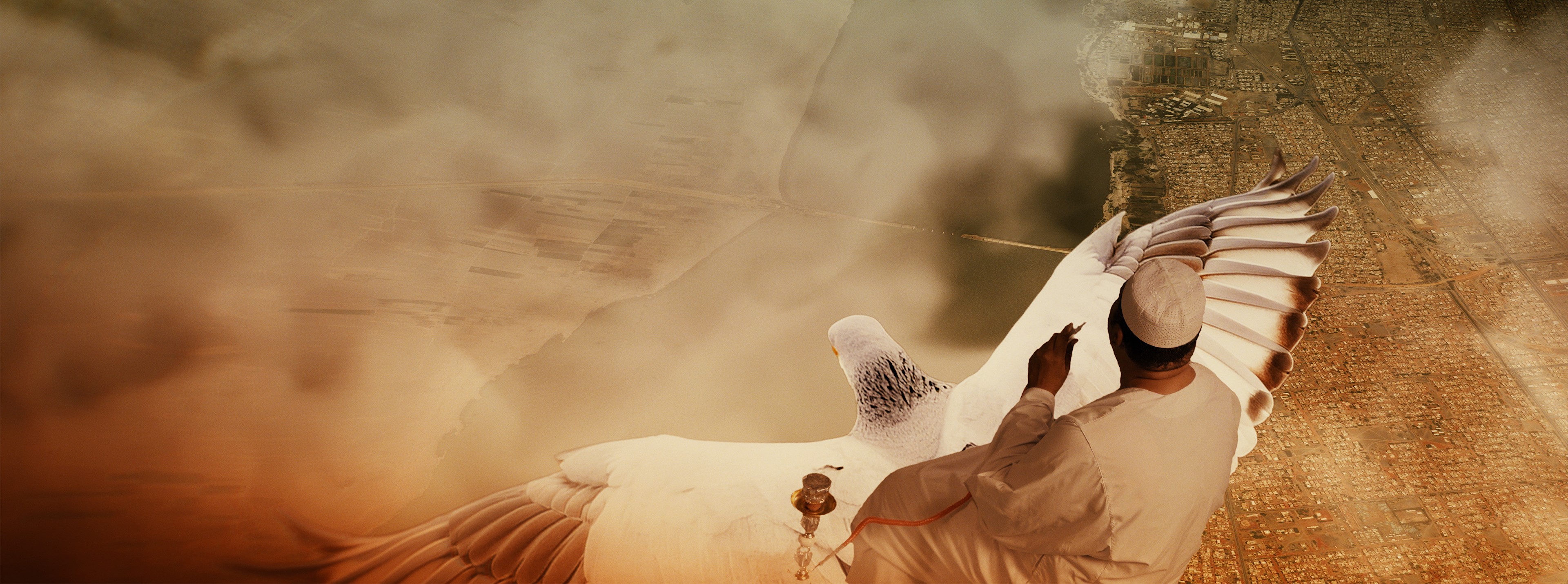
Shortly after the fall of the Sudanese government, five filmmakers embark on a joint project: they follow the lives of five people from Khartoum—two boys living on the streets, a tea seller, a resistance fighter, a government official and his son. They share stories of their daily lives, their dreams, and the political upheaval around them. But as the filming unfolds, the country descends into war. Millions are forced to flee—including the filmmakers and their protagonists. In exile, they find new ways to continue telling their stories—through animated dream sequences, green-screen scenes, and a powerful poetic vision. A cinematic testimony to courage, loss, and the hope for change.
Supported by